Open-Cell or Closed-Cell? Picking the Right Spray Foam for a Glendale Home
Nearly every homeowner we sit down with asks some version of the same question early on: which spray foam do I actually need? The short answer is that open-cell and closed-cell aren't a cheap-versus-good choice — they're built to solve different problems, and a lot of projects genuinely need both.
Side-by-side: what actually separates them
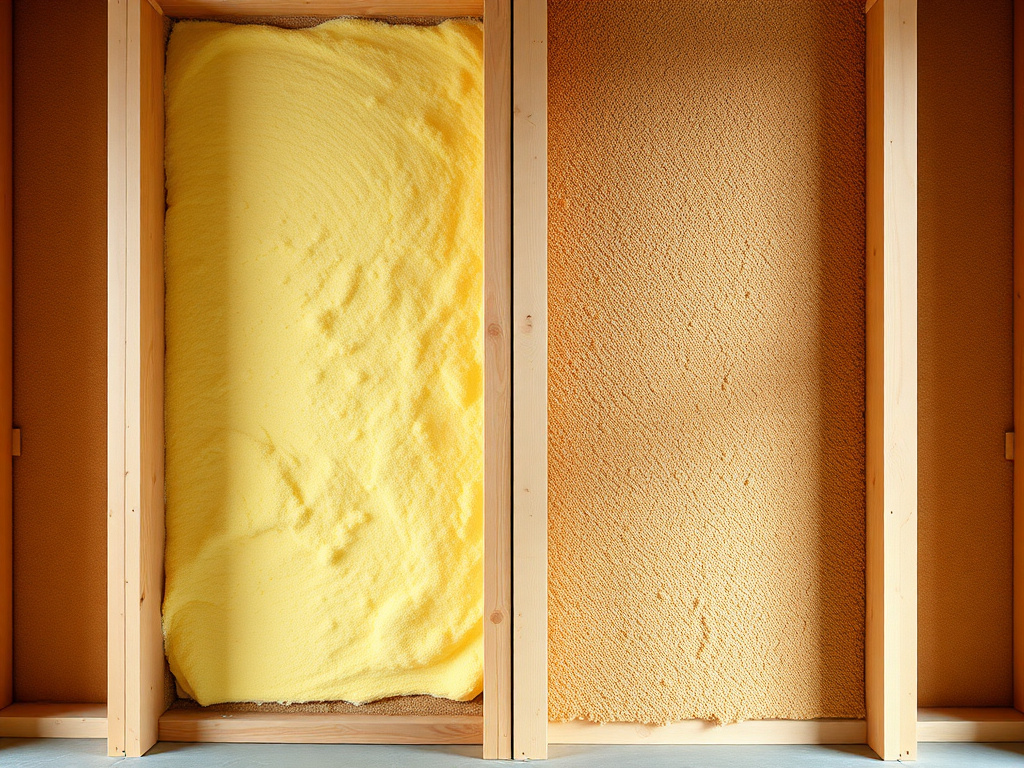
- R-value per inch: roughly R-3.5 to R-4 for open-cell, roughly R-6 to R-7 for closed-cell.
- Density and feel: open-cell cures soft and spongy; closed-cell cures rigid and adds real structural strength.
- Moisture behavior: closed-cell acts as a vapor retarder; open-cell is vapor-permeable, which matters less in Glendale's dry climate than it would somewhere humid.
- Price: open-cell costs less per board foot; closed-cell costs more but packs more R-value into less depth.
- Sound: open-cell's structure absorbs noise noticeably better than closed-cell's rigid, denser cell structure.
When open-cell is the right call in Glendale
Interior partition walls, vented attic floors with adequate joist depth, and rooms where sound matters as much as temperature — a home office, a media room, a bedroom near street noise — all lean toward open-cell. Glendale's arid climate plays to its strengths, too: the moisture concerns that push some markets toward closed-cell everywhere just aren't as pressing here for interior, protected cavities.
When closed-cell earns its higher price
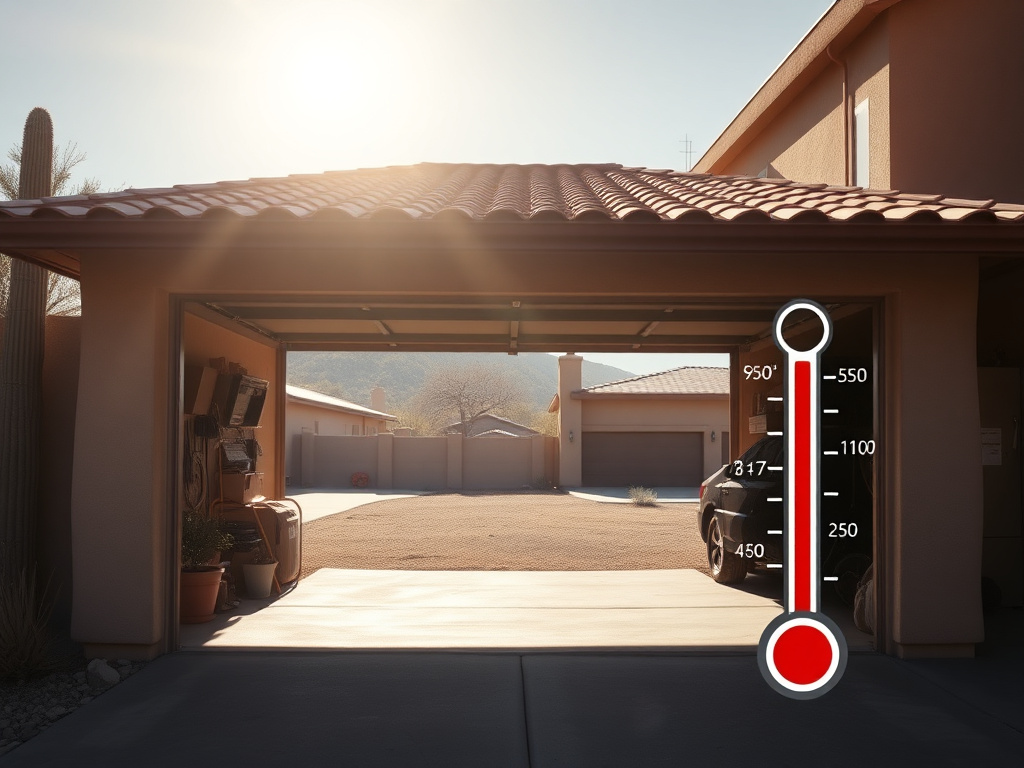
Roof decks with shallow cavity depth, garages that see the widest temperature swings in the house, and any exterior-exposed assembly where added rigidity and moisture control matter are the clearest cases for closed-cell. It costs more, but for those specific applications the performance gap over open-cell is real and worth paying for.
Why a lot of West Valley projects use both
It's common on a whole-home or new-construction job to see closed-cell go into the highest-exposure areas — the roofline, the garage — while open-cell fills interior walls and attic-floor coverage everywhere else. That split gets performance where it's needed most without paying closed-cell pricing across the entire house.
Frequently asked questions
Not necessarily. On a standard interior wall with normal cavity depth and no moisture exposure, open-cell performs comparably to closed-cell in real-world terms, for less money. Closed-cell's advantages — higher R-value per inch, added rigidity, moisture resistance — matter most in specific spots like roof decks and garages, not across the whole house.
Yes, and it's a common approach. A typical layout uses closed-cell in high-exposure areas like the roofline or garage and open-cell for interior walls and attic-floor coverage elsewhere, giving you the right performance in each spot without paying a closed-cell price everywhere.
Ready for a free quote?
Tell us about your home and we'll build a clear, no-pressure quote.