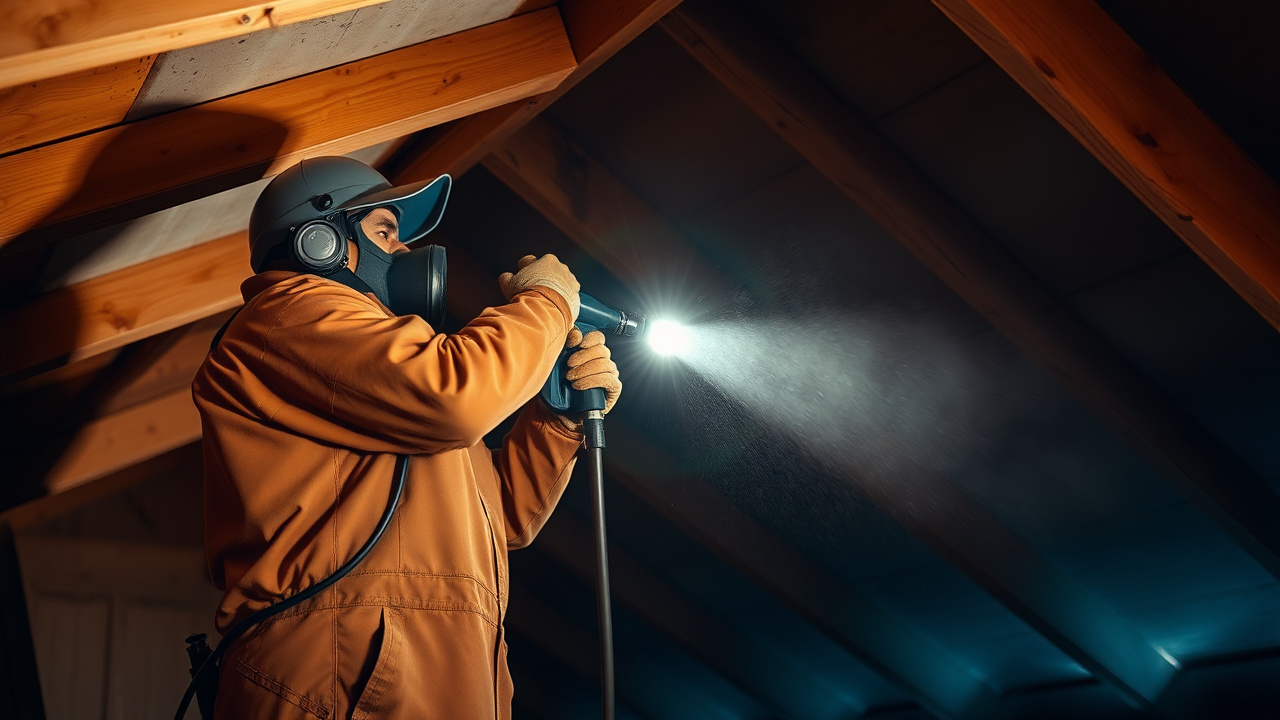
Spray Foam Insulation in Glendale, AZ.
From Arrowhead Ranch to Historic Downtown, Glendale homes take a beating from West Valley summer heat — 106-110°F+ highs baked straight into an unshaded roof deck. Open-cell and closed-cell spray foam insulation cuts that heat off before it ever reaches your thermostat, so your AC stops working overtime and your bill actually reflects it.
A cooler home, lower AC bills
Tell us about your home — a hot upstairs, an unusable garage bonus room, or a new build — and we'll build a clear, no-pressure quote.
- Cut summer cooling bills
- Stop desert heat at the roofline
- Zone-2B-appropriate R-values
The West Valley doesn't need warmth. It needs the heat kept out.
Glendale sits at roughly 1,150 feet in IECC Climate Zone 2B — a hot-dry desert climate where a west-facing roof deck can take direct sun for ten-plus hours a day through the summer stretch. DOE guidance for hot-dry Zone 2 homes calls for attic insulation in the R30 to R60 range, and a lot of the housing stock around Sun City, Peoria, and older sections of Glendale never got close to that number when it was built.
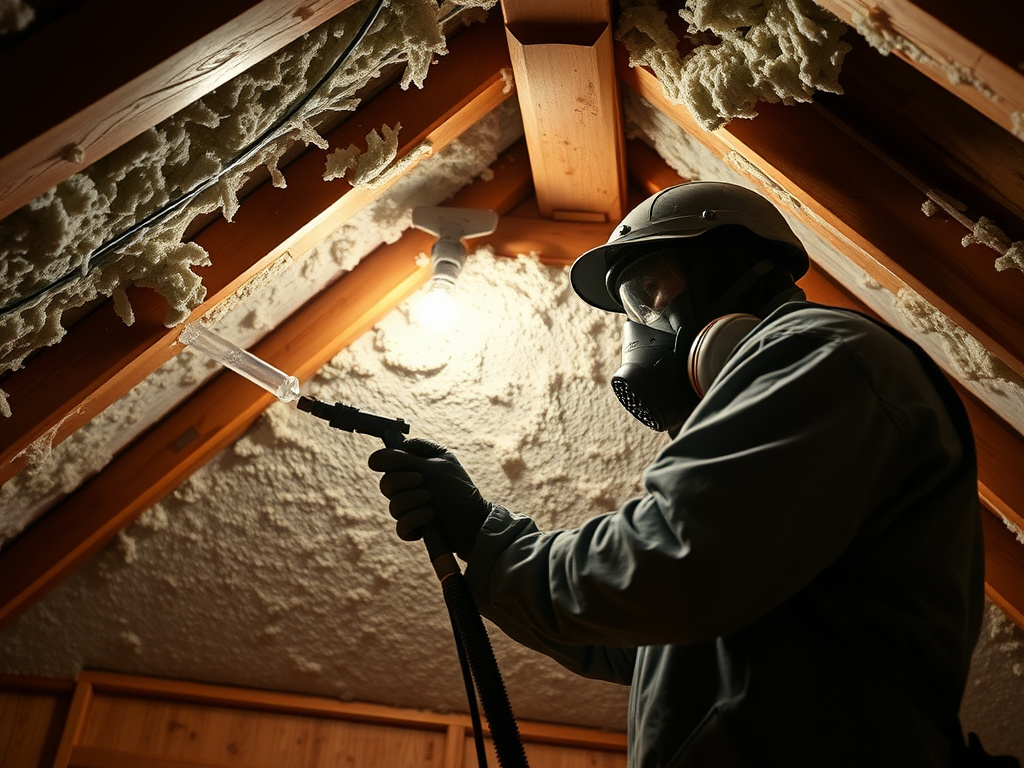
Spray foam handles this in one pass instead of two. It insulates and air-seals at the same time, cutting off the infiltration of superheated attic air that pushes AC runtime up — something a fiberglass batt, sitting loose against the joists, was never designed to stop.
We're a dedicated spray foam insulation specialist for Glendale and the West Valley — not a generalist crew treating a Phoenix desert summer like an afterthought.

Complete spray foam insulation for Glendale homes & businesses
From attic heat control to garage and bonus-room fixes to whole-home new construction — click any service to see how it works, what it costs, and why it fits Glendale's climate.
Comfort and savings, built for the desert.
Desert heat control
Sealing the attic and roof deck stops the radiant-heat-into-living-space problem at the source, instead of just asking your AC to keep up.
Zone-2B-appropriate R-values
We build to DOE guidance for hot-dry Zone 2 homes — attic R30-R60 — not a generic one-size-fits-all number.
Local, honest advice
We recommend open-cell, closed-cell, or a mix based on your home's actual needs — never a one-size-fits-all pitch.
Based in Glendale, working the whole West Valley
From Arrowhead Ranch to Sun City to Avondale — local crews who know West Valley construction and this climate.
From free assessment to a cooler, more efficient home
Free assessment
We evaluate your home, talk through goals and budget, and give you a clear, itemized quote.
Prep the space
We prep the area, mask surfaces, and stage equipment — old insulation removed first if needed.
Spray-apply foam
Open-cell or closed-cell foam is sprayed to your Zone-2B-appropriate R-value target, sealing every gap.
Inspect & verify
We inspect the finished application and walk you through what to expect this summer.
Glendale spray foam insulation FAQs
On a 108°F afternoon, an unshaded asphalt-shingle roof deck in Glendale can push attic air well past 140°F. That heat doesn't stay put — it radiates down through the ceiling drywall into your living space all day and into the evening, which is why AC units in older Glendale homes often run nonstop from June through September instead of cycling normally.
Pricing runs roughly $1 to $5 per square foot installed, with open-cell toward the lower end and closed-cell toward the higher end depending on coverage and prep work. Most attic or garage-ceiling projects on a standard Glendale home land in the $1,500-$2,500+ range. We'll walk your specific space and give you an itemized number before any work starts — no guessing.
It depends on where it's going. Open-cell is lighter, more budget-friendly, and works well on interior walls or attic floors that are already vented and shaded. Closed-cell is denser, hits R-6 to R-7 per inch, adds real structural stiffness to the roof deck, and shrugs off moisture — which is exactly what a west-facing roofline or an attached garage in Glendale needs.
If your attic is running thin fiberglass or your ductwork sits in unconditioned attic space, foam usually makes a real, felt difference. It insulates and seals in the same pass, which shuts down the constant leak of superheated attic air into your ceiling cavity — the main reason AC systems in the West Valley run longer than they're rated to.
Because the garage below it is basically an oven with a door. An uninsulated garage in Glendale can run 15-20 degrees hotter than the outside air by mid-afternoon, and all of that heat migrates straight up into the framing and floor of whatever room sits above it. Foaming the garage ceiling is usually the single fix that finally makes that room usable.
Yes — our crews cover the whole West Valley: Peoria, Surprise, Sun City, Sun City West, El Mirage, Litchfield Park, and Avondale, in addition to Glendale itself.
Get your free insulation quote
Tell us about your home and we'll put together a clear, no-pressure spray foam insulation quote — built for Glendale's real desert heat.